
Welcome to Spreadlandia, where two veteran editors read it ALL to winnow out only the best: juicy yarns, big ideas, deeply personal essays, and hot goss—aka, the full Spread. Plus: original interviews, podcasts, and more. Come hungry!
Dear Spreadswans,
Drumroll please, and welcome to a Very Special Issue inspired by the doubleheader of The Devil Wears Prada 2—which opened on Friday and is already breaking box office records—and by last night’s Bezos-stravaganza. Let’s start with the movie, shall we?
Rachel Baker: Honestly, I had a blast. I went with a ton of women in our age demo and we all yucked it up big-time. The only downside is that grinning for two hours really weakened my recently Botoxed lip flip. But I guess it was worth it.
Maggie Bullock: Everything you just said is problematic but please, do keep going.
RB: One thing that struck me: I couldn’t believe a broad rom-com—and one with very little rom—for a mass audience was positioning such micro, even run-of-the-mill dynamics from our industry as high-stakes plot drivers. Like, needing to pacify Dior because they’re an advertiser? Or witnessing bitchiness in the Condé caf? Are these really plot drivers for a movie that cost $100 million to make? That’s any given Tuesday.
(And how can the Spread get a piece of that? If you readers want war stories of dwindling features budgets and advertising favors, we’ve got whosits and whatsits galore.)
Which leads me to my other take: That at times it felt disconcertingly real—too real.
MB: Agree, it was super surreal to sit in a movie theater watching publishing economics play out for a mass audience. Sure, this storyline will track for the many generations of ex-magazine editors that made group outings to the movies this weekend. But I kept squinting at the other faces in the audience, trying to figure out... do “real” people care about this? And all those cameos: I guess they know “image architect” Law Roach, but… Jia Tolentino?
RB: Apparently! Global opening weekend box office was $233.6 million.
MB: Here’s my pathetic truth: I felt sucker punched from the first scene. I went in expecting a romp—you told me it was a romp!—and immediately got sucked down by the depressing fact that the demise of an industry we both love is now the backdrop for a rom-com.
Believe me, I know how ridiculous it is to take a colossally silly movie this personally. I started to wonder if I’d skipped an estrogen patch. Was this hormonal? But no, I think the grieving process is real. Sometimes it hits me anew.
RB: I think it helped that I knew the premise—that Andy was about to accept a prestigious journalism award when she and her colleagues at a Serious Paper are all shitcanned via text.
MB: Others have noted that in the early aughts, when I got into this game (and when I was hired at Vogue in an Andy Sachs-adjacent role), this job was Hollywood’s official answer to “aspirational career for modern Mary Tyler Moore kinda gal.” 13 Going on 30, How to Lose a Guy in 10 Days, and more recently (and more wryly) Trainwreck. Surely Mindy Kaling has done one, or did she rise up the ranks too late—mags were already dying?
RB: Never Been Kissed (sorta), Bridget Jones (though she worked in TV), Ugly Betty…
MB: Twenty years later, our entire field is a cautionary tale. Though as Michelle Goldberg points out, TDWP2 does a great job of driving home how much the people in this field truly love the work: “It turns out that some women do, in fact, dream of labor, at least the kind that comes with a sense of mastery, agency, and glamour.” Preach, Michelle.
RB: Yes, and the teenage girls in my screening absolutely loved the movie—the idea of having that drive and passion for something you get to do everyday is still aspirational (also a rare privilege). It’s why we’re hanging on by making this newsletter, after all!
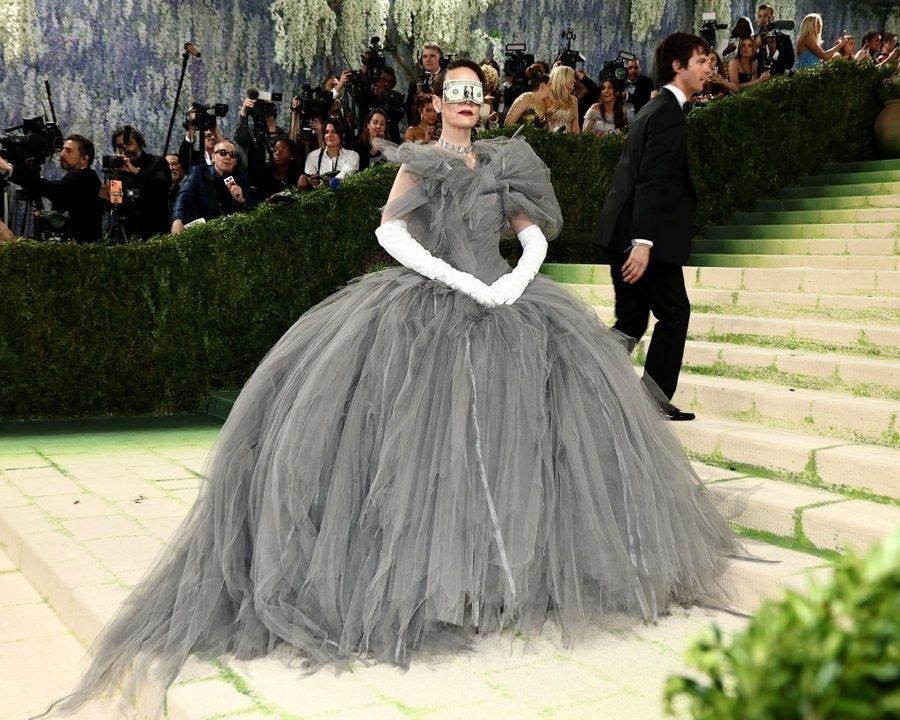
MB: Robin Givhan wrote about this: The movie actually addresses our current, psychotic moment, in which magazine folk are relying on mythical tech billionaire saviors to keep these publications afloat (maybe as vanity projects for their pampered spouses). Then three days after the movie comes out, along comes the Bezos-Sánchez three-ring Met Gala circus.
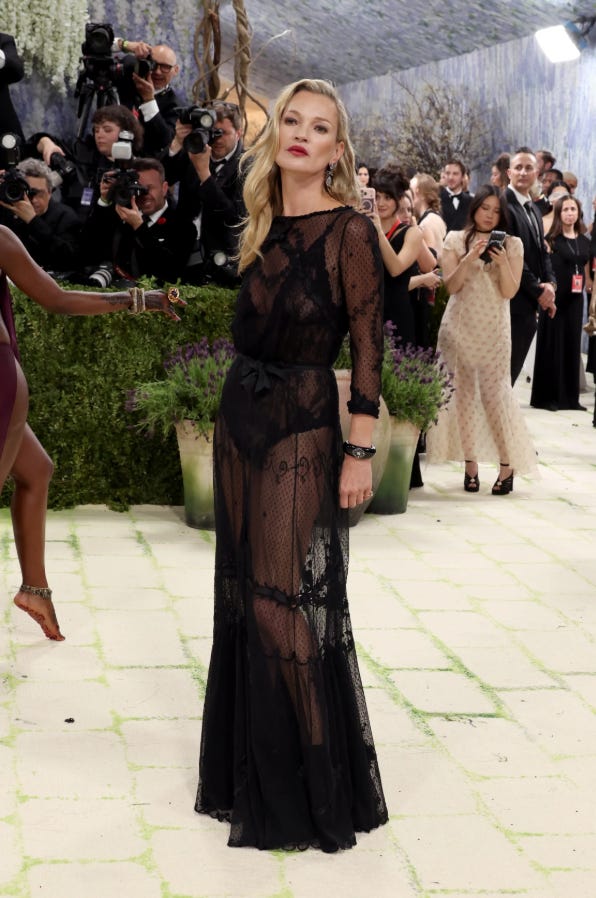
Did I enjoy seeing Kate Moss1 looking the best she has in years? I did. Was it fun to wait up to see if Rihanna’s late arrival would throw off the whole timing of the event, per usual? It was.
But the timing of the movie and the depressing sponsorship made the whole exercise of last night’s red carpet spectacle feel more forced and manipulated than ever. People are complaining that it’s out of touch2, cartoonish, tacky, costumey, whatever—not to mention a gauche display of wealth—but that’s always been true, and especially in the last few years. But the cross-promotion of it all made the event itself feel fake. Like, did the Met Gala even happen or was that entire thing an AI figment? A Hollywood sleight of hand? I could picture the famous people walking up the steps, only to sneak behind a scrim and exit back into their cars on the other side, with no actual party taking place.
RB: The Gala is a commercial for the movie and vice versa. It doesn’t feel great, and it undermines both propositions. Though I’m still interested in the Met Gala for the cultural conversation—I guess?—the whole venture feels 100 percent cynical, whereas last year it felt just 90 percent cynical.
MB: The movie is pretty cheeky about the tech oligarchs, who are embodied extra douchily by Justin Theroux (thank you). And the movie was endorsed by Anna, who put herself on the cover (also a movie subplot!), yet also masterminded the whole Met Gala buyout with Bezos and Sánchez. This was the most interesting thing to me about last night: What are these people actually thinking!? I was staring at a clip of Anna, Lauren, and Nicole Kidman lined up to greet guests. I would give all of my future earnings (if you believe this movie, it ain’t much!) to know what each of them was really thinking about the others at that moment.
Rachel: Who actually boycotted this event, other than Lauren Santo Domingo, the (and this description gave us a good laugh over the weekend) “Tom Brady of Fashion”?
RB: Rama Duwaji and Zohran Mamdani wisely declined. Also, Meryl was, of course, noticeably absent—you know she hates this kind of thing and must have negotiated many moons ago that she would not be showing up. But her daughters, Louisa Jacobson (whose look was among my favorites of the night—she is hot) and Grace Gummer (in blinding Gabriela Hearst—and you know I love gold!), represented the family well on the red carpet.
MB: Does it make us feel better or worse to know that TDWP author Lauren Weisberger is now… a trawler? Reading between the lines of this essay that Vogue published, she made enough off this book and movie deals to live on a boat and homeschool her kids. And now that all parties have kissed and made up, she’s writing about it for the very publication that once regarded her persona non grata.
RB: You mean trawler literally and metaphorically, right?
MB: Well the old Voguey in me would say yes. But I mean, she actually lives on a boat.
RB: She made all the money but that cold war with Vogue couldn’t have felt good. She’s handling it gracefully, I think, but would it have been fun for her to write a much spicier version for, say, Town & Country? It would.
MB: Agreed but—and I hope this is a safe space, though I think Auntie Brock told us we can’t use that phrase anymore—the original book was great IP and a truly ballsy act, but as a book it’s not… great. The movie is what made it iconic. And really punched up the writing, too.
RB: For sure. My girl Aline Brosh McKenna is the sparkle behind the enterprise. And of course I love that her former work wife from Crazy Ex-Girlfriend, Rachel Bloom, got to play one of Andy’s friends in the movie.
MB: Oh dear. That character really shivved me. She’s the chubby-ish friend in the bad blazer who lost her real job in journalism and is now slogging away on other people’s memoirs for a living and... I felt seen. In the “crouching behind my desk shoveling Peanut M&Ms down my gullet” way.
RB: I was so annoyed when that character told Andy she could make $50K for writing a Miranda tell-all! Like, if that book is worth $50K, the book industry is worse off than magazines.
MB: If I’d had a rotten tomato, I would have hurled it at that moment. And then—spoiler alert, but only sort of—in the end, when Miranda tells Andy that $350K is nothing to sneeze at. To be clear, $350K is nothing to sneeze at. But if even Miranda Priestly thinks that’s a windfall for a writer, we’re all fucked.
RB: It’s kind of like how Dakota Johnson’s character is said to make $80,000 a year before taxes in Materialists. I’m curious what the focus group calculus is on these numbers.
MB: Right? I couldn’t tell if $80K was supposed to be... decent? Needy? Or mid? Rachel! Should we write a Miranda Priestly tell-all?
RB: I’m not getting out of bed for less than $500K for that baby—a high-risk, multiyear endeavor and we’ll have to split it!!
OK, small potatoes: I wish there was some kind of makeover scene in the movie, specifically one that resulted in lobbing off a few inches of Anne’s extensions. They were not my favorite!
Bigger potatoes: All in all, I think the movie—sans Met Gala curdling effect—really succeeds. It is knowing and clever and contradictory and fun—just like the best fashion magazines have always been. And it’s a sequel to a popcorn movie? Groundbreaking.
For the movie not to have been a little depressing about the current state of the media, it would have needed to be a prequel...which...what are you doing later? Shall we write a treatment?
MB: I’m less convinced, and not just because this movie took me to a stupidly dark place. Was it funny? I’m just not sure. The viewers around me were not laughing their asses off, though there were occasional hoots. The question remains: Will it give us what we really want, which is iconic zingers, other than Miranda’s ice-cold “You’re not a visionary—you’re a vendor”?
RB: I like Emily’s “Have they heard of Christmas?”
Um, breaking news in my inbox: The Wall Street Journal is reporting that James Murdoch is likely to buy New York magazine.
MB: OH JESUS.
RB: And there you have it.
Thank you for joining us for this Very Special Issue. We’d like to thank our parent company, Scheinhardt Wig Company.3
Rachel & Maggie
And now: What to read when you’re sick of thinking about Anna Wintour-adjacent properties…
NO MORE MR. NICE GUY: Cruelty has been so normalized that it barely registers anymore, writes Joel Stein in Town & Country. Quentin Tarantino trash-talking actors on a podcast? It’s just content. When it comes right down to it, though, performative positivity (influencer culture, relentless five-star reviews) and performative cruelty are both forms of the same thing: dishonesty. To read it, support print, buy the issue! Or read “Mean is the New Peptide” on Apple News here.
“SHOOTING AND CRYING” is an Israeli expression for soldiers who commit violence, then perform remorse about it. Anastasia Berg takes the phrase as the title of her philosophical afterburner to the Jia Tolentino/Hasan Piker “microlooting” brouhaha that got everybody’s panties in a twist last week. (They played coy about the ethics of stealing—as long as what you’re stealing is bits and bobs from the unethical Man, aka Whole Foods.) Enough with the ironic tone around morality, writes Berg. Either stop doing the thing you say is wrong, or offer a genuine argument for why it’s fine. Read it here.
LIKE YOUR FRENCH GIRLS, JACK: Speaking of, Hanya Yanagihara has joined the ranks of Olivia Nuzzi—who thought we’d ever write that?—as a journalist we’ve seen naked (in art).
IMMORTAL COMBAT: Right after we invested most of a Saturday morning on “The Feud of the Century” (talk about a headline that no Spreaditor can pass up!), Blake Lively and Justin Baldoni killed the audience for Reeves Wiedeman’s epic feat of celebrity reporting by settling their suit—just in time for her to hit the Met. Dwight Schrute’s prayers have been answered! Read it here.
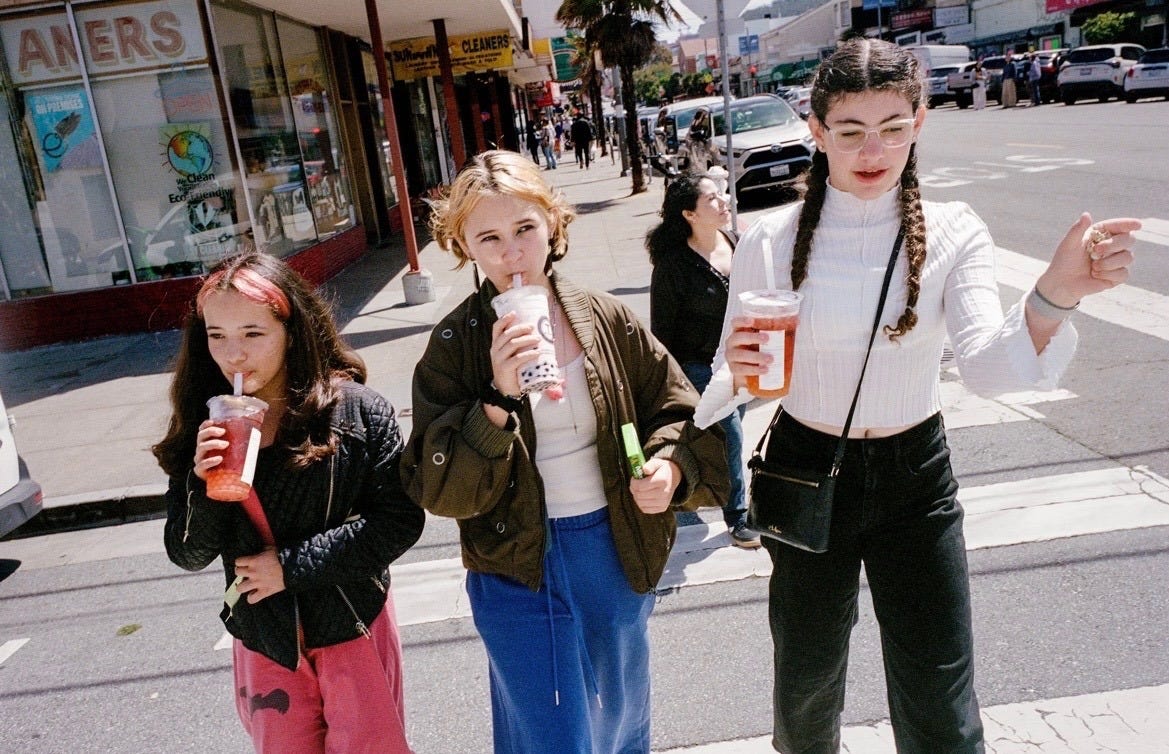
TWEENAGE DREAMS: In an instant Spread classic, New Yorker writer Anna Weiner profiles Mira, a smart, sweet, unfamous 12-year-old girl living with her parents and sibling in the San Francisco suburbs. “The Life and Times of an American Tween,” which arrives in the tradition of Susan Orlean’s iconic 1992 Esquire profile, “The American Man at Age 10,” is wise, hopeful, and at times breathtaking as Weiner reports from the front lines of shopping trips and sleepovers and quietly weaves in her own stunning insights on this tender age circa now. Read it—please!—here.
PAGING ARETHA FRANKLIN: Given the demo in which we reside, the chatter we hear about hormones is mostly of the perimenopausal variety. But in the Atlantic, Andréa Becker—author of last year’s Get It Out: On the Politics of Hysterectomy–turns us on to a different conversation, one that is widespread among twentysomethings, with mounting and, from some vantage points, nefarious implications: the push for “natural womanhood,” which means without hormonal intervention in the form of the pill, the patch, the morning-after pill, or an IUD. Ovulation, its devotees insist, is womanhood and it’s glorious. Which begs many questions, including: Then what are we when we stop ovulating? Read it here.
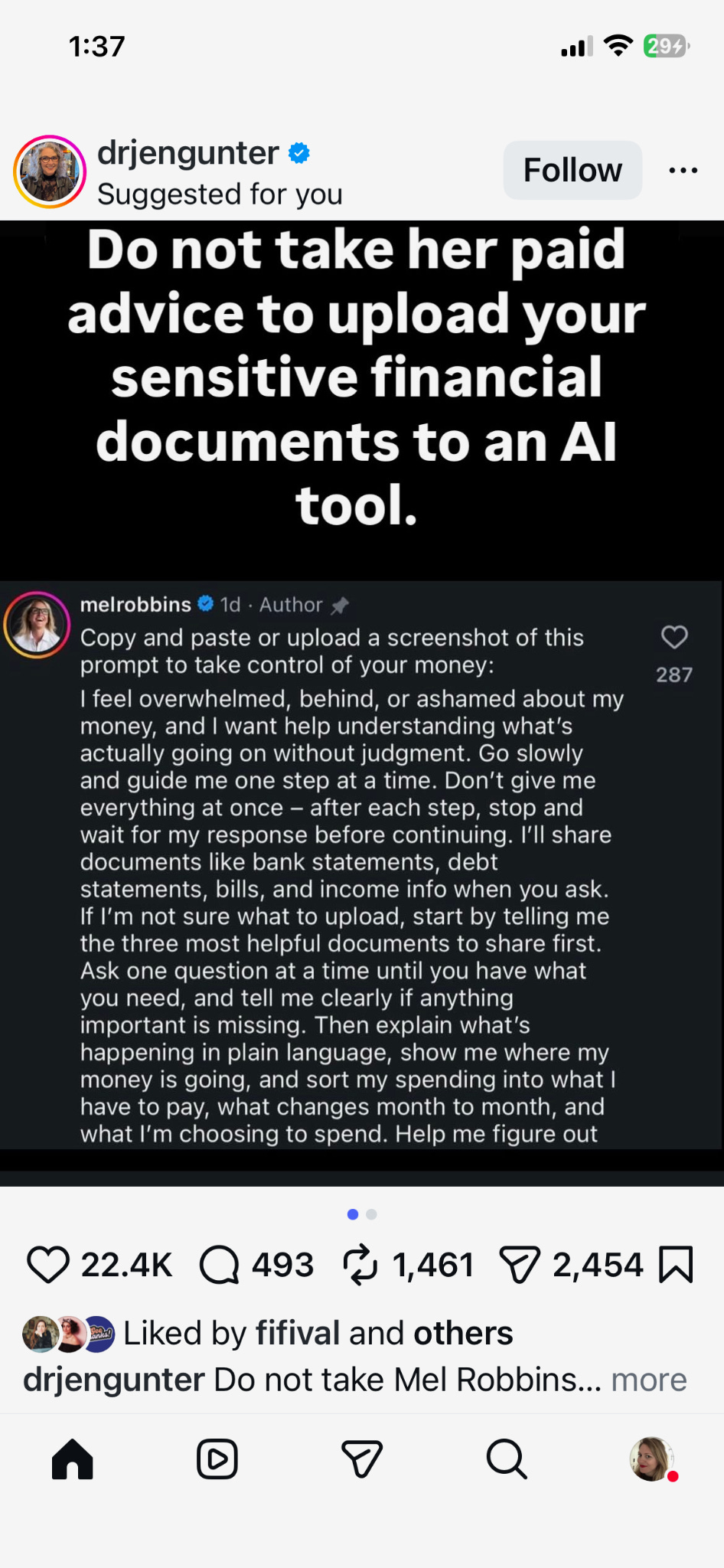
WE ARE SEATED: Fur is flying between the gurus: Dr. Jen Gunter is calling out Mel Robbins for her “paid advice,” and we say: Let them!
INSERT JORDAN CATALANO’S BAND NAME HERE: What if you were so freaked out about producing your own spawn that you shelled out big-time, like $50,000 big-time, for the best genetic testing—“embryo optimization”—on the market, only to learn that it’s all bologna, that the technology isn’t advanced enough to deliver on such a promise, at least not yet? Read it here.
Did someone forward you this email? To get the full Spread with all the fixins every week…
Theme? The GOAT doesn’t do themes.
Somebody say tone deaf?
How we make the big bucks.
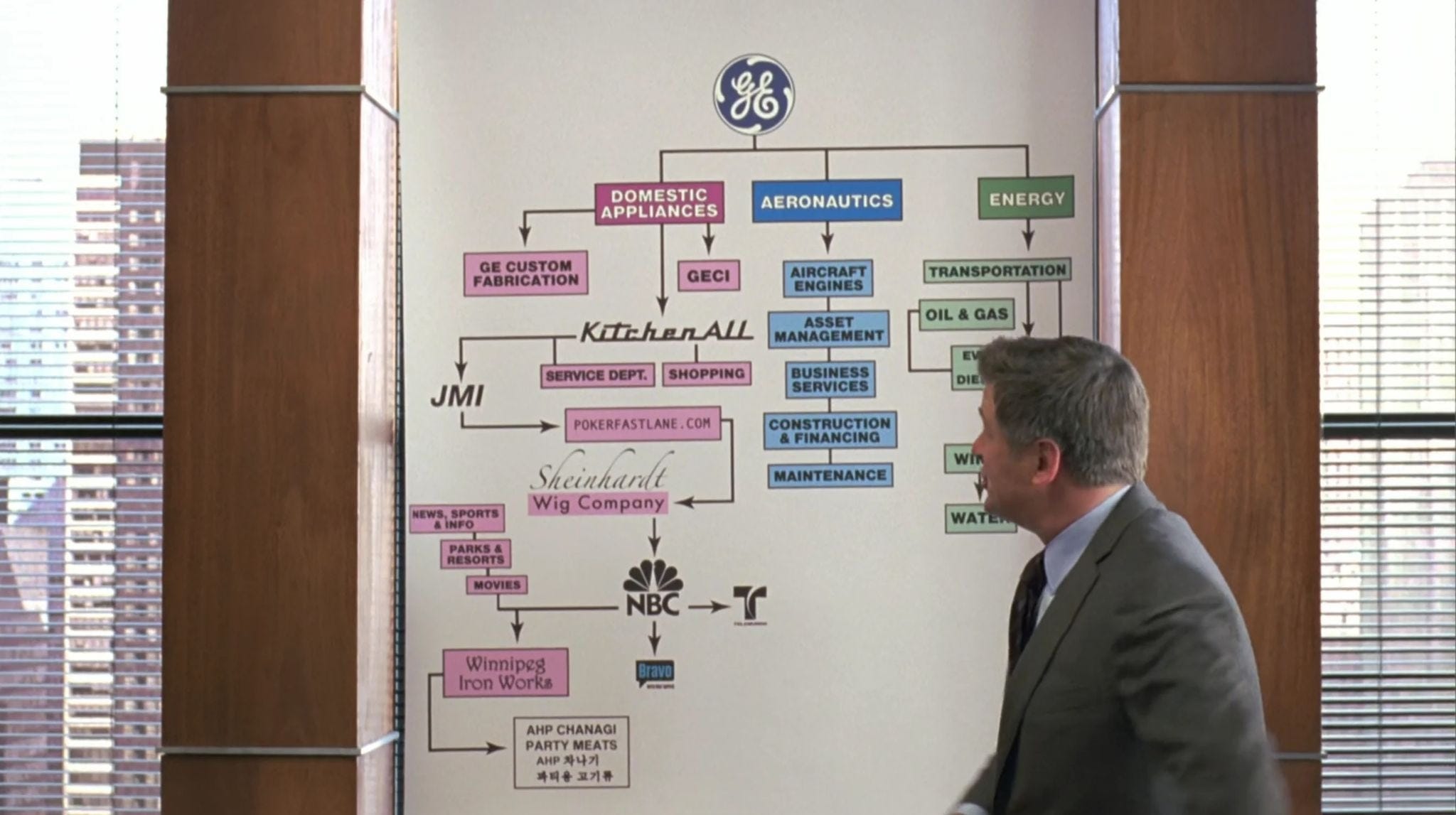
Guess we could all go and ghostwrite memoirs for Paris Hilton’s Chihuahuas. Wonder how much they pay?
I loved your conversation!! So smart. So witty.